After the Gavel: Unofficial Nights That Built the 2015 Consortium's Real Agenda
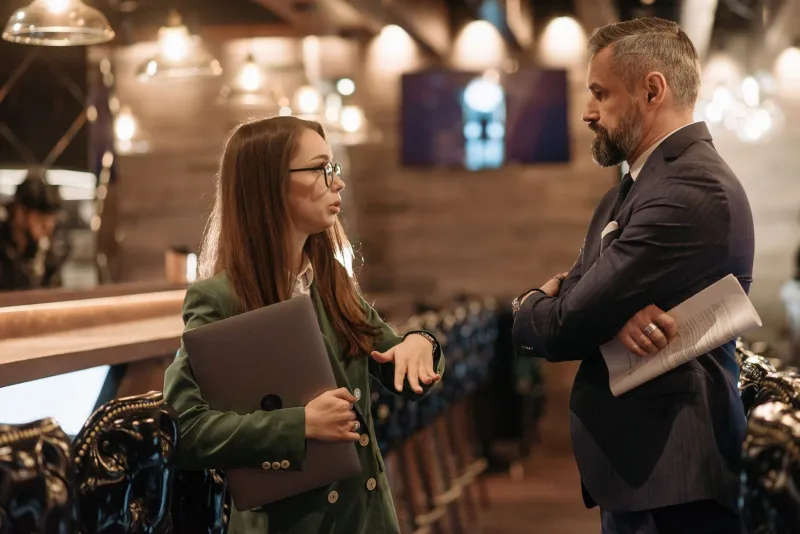
No minutes were taken. No badges were checked. And yet a remarkable share of the 2015 initiative's enduring output — three multi-site grant partnerships, an early agreement on embryo culture reporting standards, and at least two career-defining mentorships — can be traced, according to a dozen attendees we interviewed, to gatherings that never appeared on the official schedule.
"The Real Program Started at Nine"
The pattern was consistent across the consortium's four meeting cities. Formal sessions ended by early evening; attendees migrated to the headquarters hotel; and someone with foresight had reserved a block of the lounge. Dr. Helena Ruiz, then a reproductive endocrinology fellow in Chicago, remembers the geography precisely: "Back corner, past the bar, six tables pushed together. If you found it, you were in."
What distinguished these sessions from ordinary conference socializing was their semi-structure. A rotating convenor would pose a single methodological dispute — how to handle batch effects across IVF labs, whether time-to-pregnancy endpoints were comparable across clinics — and the group would argue it out until the hotel staff made the question moot.
Standards Forged Offstage
Two veterans independently credited a February 2015 evening session in a Back Bay hotel with producing the draft language that later became the consortium's laboratory reporting recommendations. "We wrote the first two paragraphs on a cocktail napkin," one recalled. "The napkin is gone. The language survived."
The informal setting, several interviewees argued, lowered the stakes that paralyze formal committee work. Junior investigators who would not dream of challenging a senior figure during a plenary Q&A did so freely at the corner table. At least two attendees described the sessions as the first venue in which they felt treated as peers rather than trainees — a formative experience both cited in shaping their own mentoring styles.
The Grant Handshake
The after-hours economy of the consortium extended to funding. Three of the initiative's later multi-institutional awards, we confirmed, were first sketched in these settings — sometimes literally, on hotel stationery. One program officer, speaking on background, noted that the agency looked favorably on applications whose co-investigators had demonstrable histories of collaboration: "You could tell which teams had actually argued about methods together. The applications read differently."
What the Record Omits
The irony is not lost on this archive. An organization devoted to documenting the 2015 initiative must acknowledge that its most consequential deliberations left no official trace. Our oral history project, launched in 2023, is an attempt at partial recovery — seventeen interviews to date, with recollections that occasionally conflict and always blur.
But the pattern they converge on is clear. Conferences are remembered for their keynotes; they are built in their hallways. Any institution hoping to replicate the 2015 consortium's collaborative output should budget accordingly — not just for ballroom space, but for the corner of the lounge where the real program began.